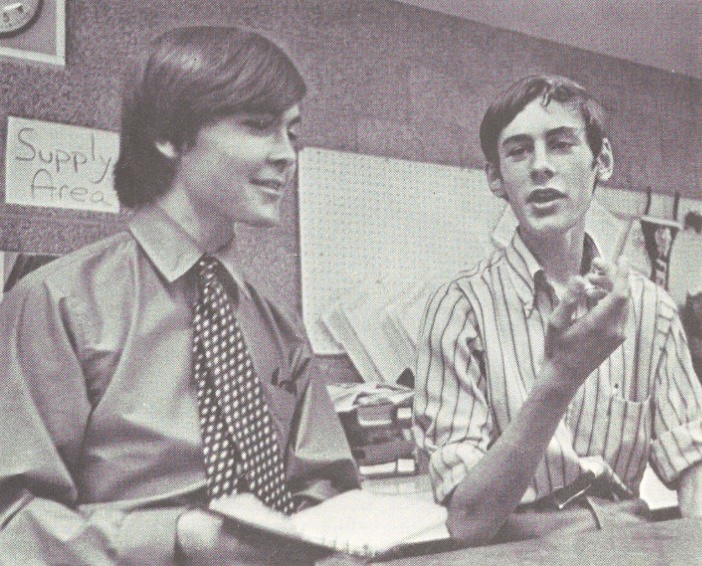
Political debate did not stay on the evening news in the 1970s. It showed up in classrooms, spilled into hallways and followed students home in arguments that did not end with the bell.
On Nov. 3, 1978, Rep. Phil Crane, R-Ill., visited Palatine High School to speak with social science classes in Altergott Auditorium. Crane spent most of the day addressing students before opening each class period to questions about inflation, unemployment, environmental regulations and the Equal Rights Amendment (ERA), a proposed constitutional amendment meant to guarantee equal legal rights for men and women.
Crane told students that “most of the blame for inflation falls on excessive governmental spending” and suggested solutions including “a constitutional amendment limiting the federal deficit.” On the ERA, he said he had once supported it but “has now reversed his opinion.”
Students listened, challenged and debated, much like students today who raise their voices on issues that affect their families and communities.
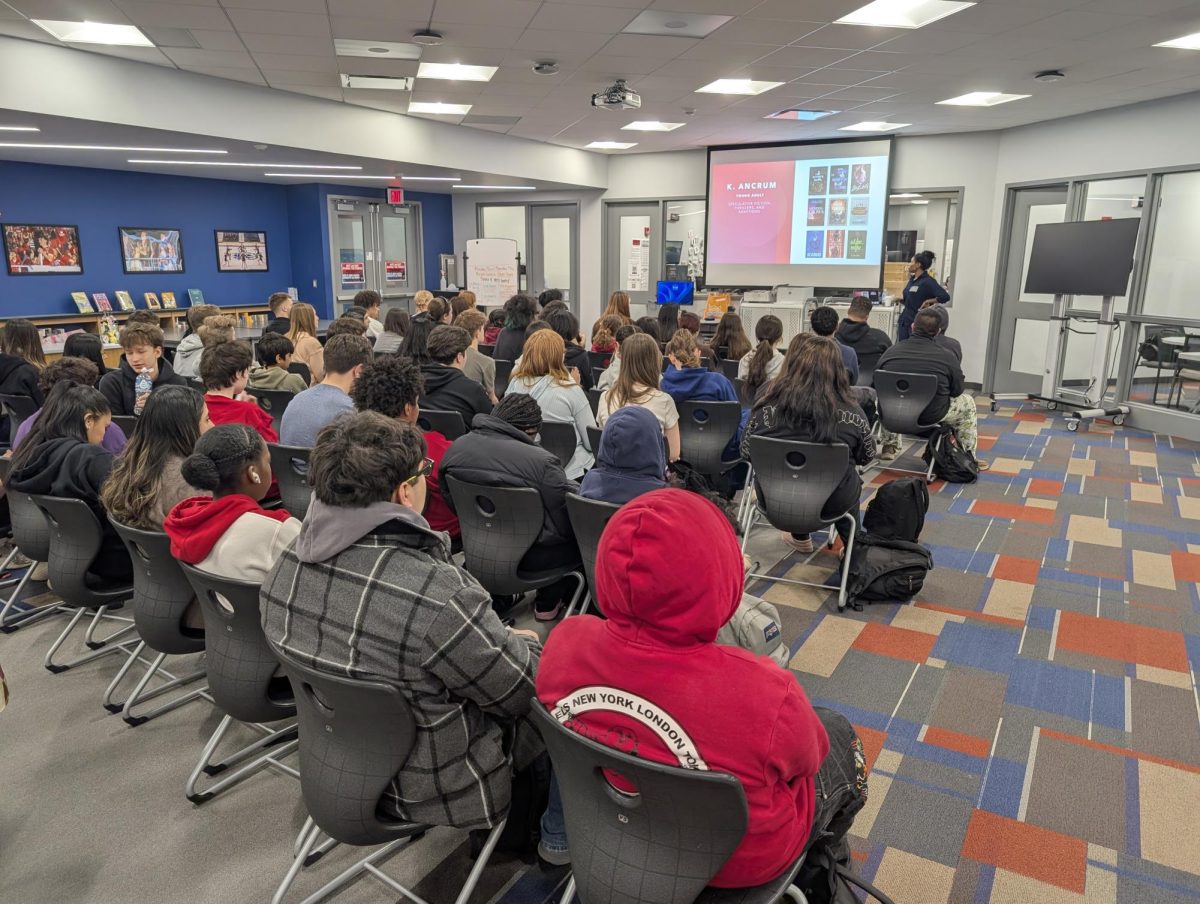
Social studies teacher Christopher Bays said classrooms often play an important role in helping students understand how political conversations work.
“In my view, students arrive with political views shaped by their family as that is the most influential socializing unit in one’s life,” Bays said. “However, understanding the political process and how to participate as a voter or through civic engagement is certainly influenced by experiences in social studies classrooms.”
The tension between agreement and opposition is not new. In September 1970, President Richard Nixon visited Prospect High School, where students reacted differently to his policies.
“I agreed with just about everything Nixon said,” then-president of the Young Americans for Freedom Joel Davenport said. “I support both Nixon and Smith.”
Stephen Lyons, a Cutlass staff member, disagreed, criticizing Nixon’s support for the SST, a government-funded project to build a supersonic passenger jet.
“He says that he wants to cut federal spending, but he backs the SST,” Lyons said. “That is only a waste of money. He is contradicting himself here.”
Davenport added, “You see him on television all the time, but it is different when you are close.”
Teachers say visits like these help students better understand government and politics.
“I do think that students hearing directly from politicians is helpful,” Bays said. “It is a great opportunity for students to hear about the political process from those that represent them in government.”
AP Government teacher Shannon McCloskey said classroom discussions also play an important role in shaping how students engage with politics.
“I definitely think early experiences with political debate influence how students participate in civic life later,” McCloskey said.
Students in the 1970s also acted on their opinions. In 1971, the Palatine chapter of Young Americans for Freedom organized “Operation Survival” to highlight what they described as a defense gap with the Soviet Union. They distributed 2,000 fact sheets, raised $75 and gained local media coverage. Portions were later “read into the Congressional Record by Representative Phillip Crane.”
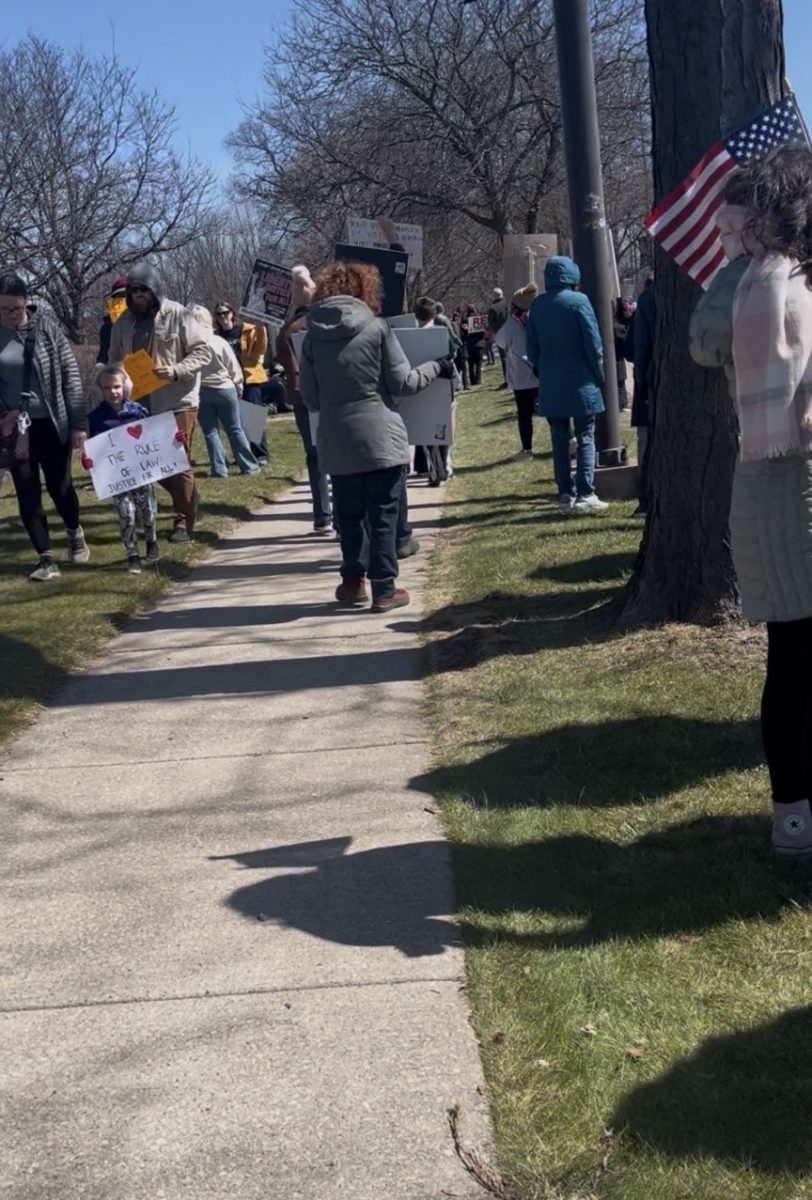
Students continue this engagement today. This school year alone, several student-led protests and walkouts have taken place protesting Immigration and Customs Enforcement (ICE) raids, showing that participation in civic debate is becoming more visible.
McCloskey said analyzing different perspectives is an important skill for students as they navigate modern political conversations.
“I think it is extremely important to look at both sides of an argument or analyze government decisions even if they disagree with them,” McCloskey said.
Whether in the 1970s or today, classrooms remain spaces where politics comes alive. Students are expected not just to listen but to challenge, question and form their own conclusions.