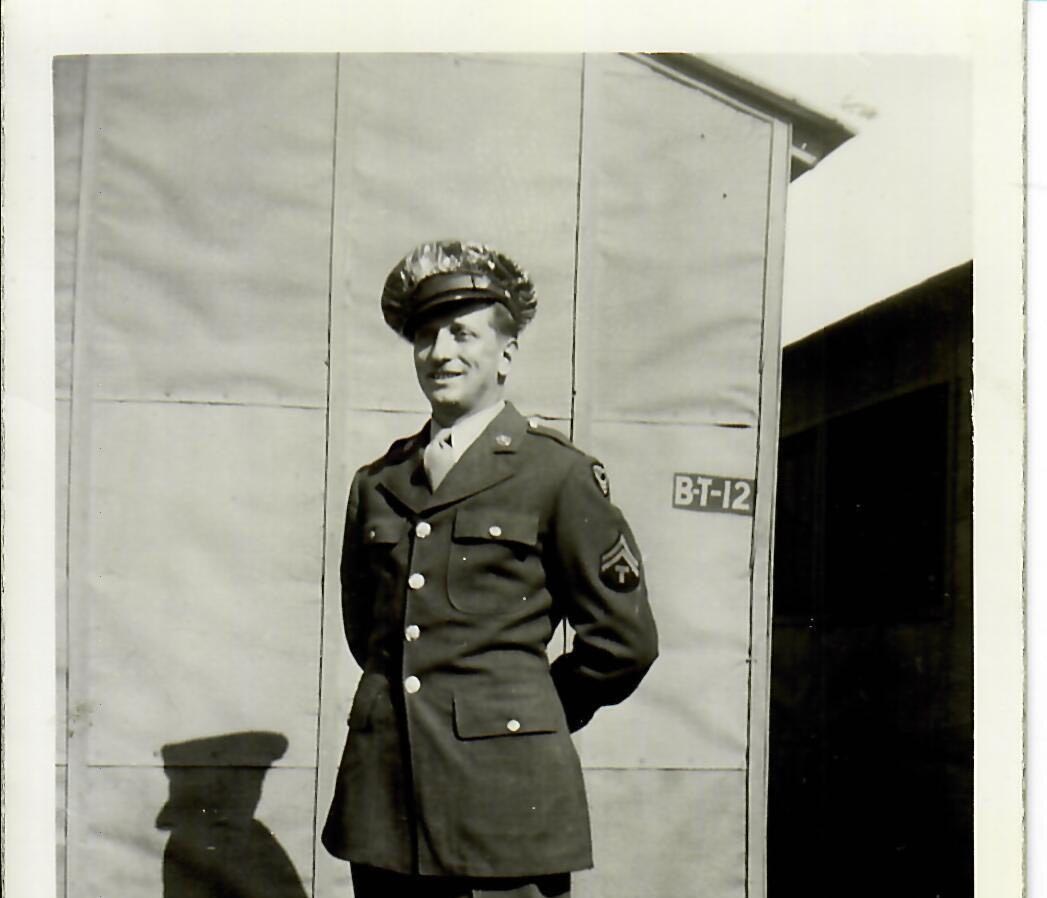
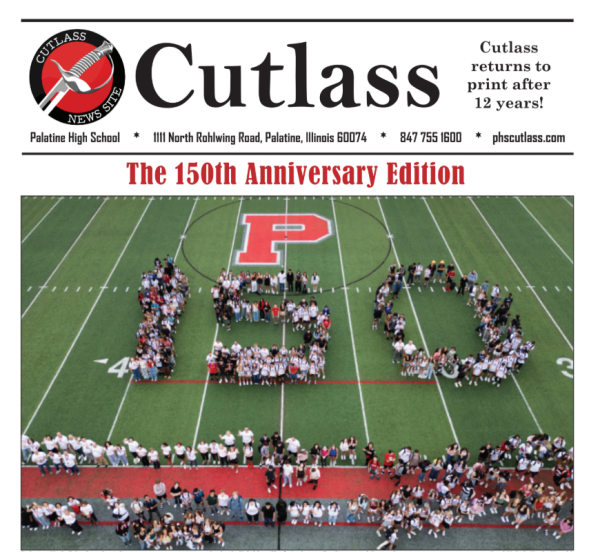
More than 40 years ago, the Cutlass published an article questioning whether the paper could survive without stronger student involvement. The concerns raised then continue to shape the challenges the Cutlass faces today.
Published in the 1970s, the article addressed student apathy, limited communication, and the challenge of sustaining a newspaper with a small staff. It asked students not only to share ideas, but to take responsibility for the paper’s future.
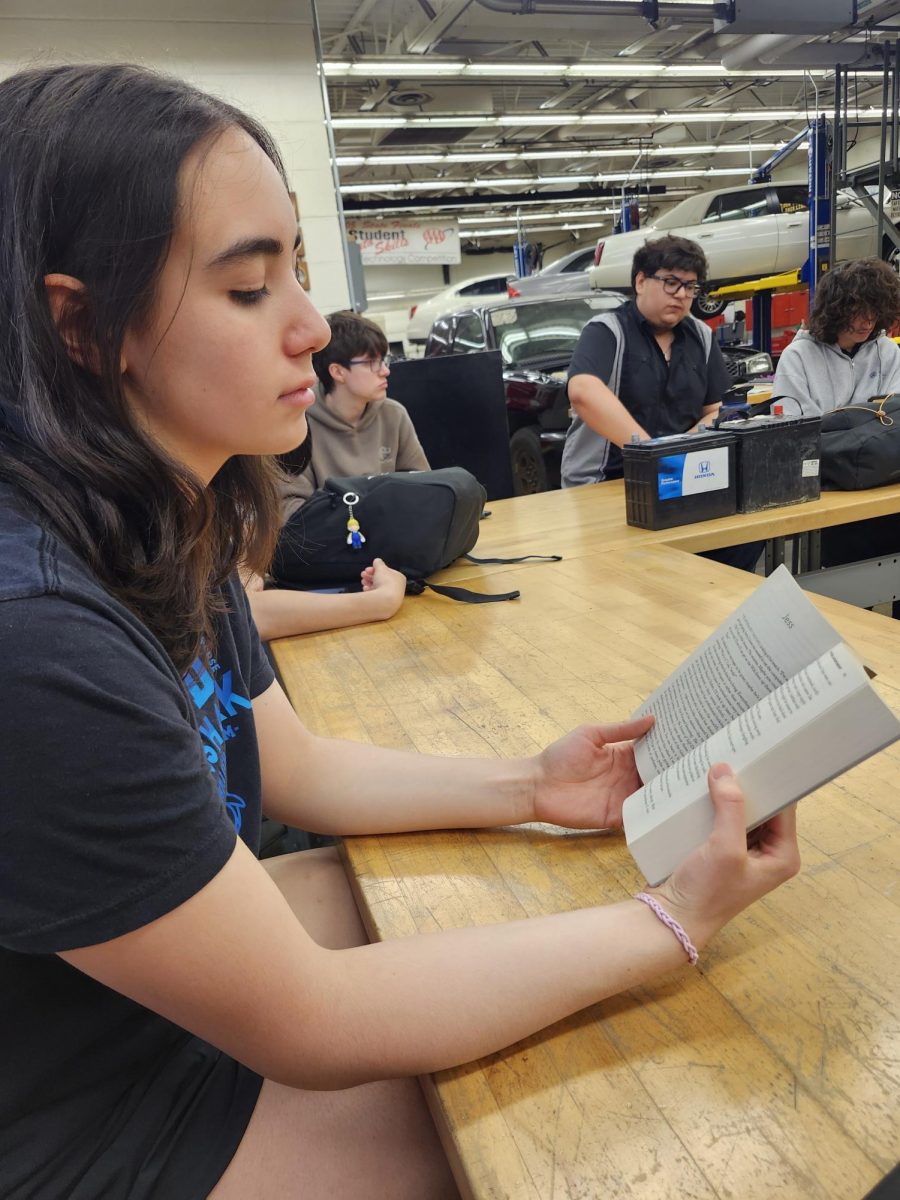
Cutlass Sports Editor Tessa Faltinek said some students hesitate to join the paper because they worry about balancing writing with other assignments.
“Many students perceive writing as schoolwork and something that needs to be perfect for a grade,” Faltinek said. “Because of this, they may be unwilling to try out Cutlass due to the amount of effort it takes on top of essays or assignments.”
While the Cutlass has changed alongside the media landscape, expanding coverage and adapting to digital platforms, it continues to face familiar challenges. Consistent membership and recognition remain difficult to maintain as the school year progresses and student commitments increase.
These challenges have had tangible effects, as the journalism class, an elective that supports the publication, will not run next year due to a lack of student interest, underscoring the ongoing struggle to sustain student involvement.
Cutlass Arts and Entertainment Editor Didrik Caleja said the intimidation surrounding the work can discourage students from staying involved.
“I believe Cutlass struggles with consistent staff because of the intimidation that comes with it, including deadlines, experience, and having to write an article,” Caleja said.
Much of the work behind student journalism happens outside the spotlight. Reporters attend events after school, photographers document moments that would otherwise be lost, and editors spend hours refining stories. This effort often goes unnoticed, despite its role in informing the student body.
“Cutlass uniquely conveys the interests, views, and thoughts of teenagers,” Cutlass advisor and journalism teacher, Sean Berleman said. “The publication spans a century, preserving voices that would otherwise be forgotten.”
The 1970s article argued the paper could only succeed if students were directly involved in producing it. That idea remains relevant. A student newspaper cannot function without participation from the community it represents.
In a time when information spreads quickly and accuracy is not guaranteed, student journalism continues to serve an important purpose. The Cutlass provides students with experience in responsible reporting, critical thinking, and collaboration.
“Developing these skills ultimately leads to better research, critical thinking, writing, and editing habits,” Berleman said. “These things can be helpful in all their classes.”
The staff decades ago believed the paper would be stronger if every student contributed in some way. That belief still holds. Students do not need prior experience or plans in journalism to join. They only need a willingness to participate.
Students can take the first step by attending the weekly meetings every Monday after school in room 195 or by filling out this interest form.
By lending their voices and talents, students ensure that the Cutlass continues to reflect, inform, and inspire the school community for years to come.