The sun, a lamp, or a bottle — which way do you or someone you know like to tan? For decades, getting a nice, bronze tan has always been sought out among teenagers. Some enjoy laying outside in the sunshine while others prefer tanning beds or sprays. As spring break comes to a close, students must be reminded that though tanning may, in their minds, make themselves look and feel better, it isn’t always healthy.
According to the National Library of Medicine, tanning can become addictive because endorphins are released during sun exposure, reinforcing the unhealthy habit. Once an individual becomes dependent on tanning, their skin and overall health can be in serious danger. In fact, there has been a significant link between higher rates of melanoma and nonmelanoma skin cancers due to indoor tanning and high rates of ultraviolet exposure.
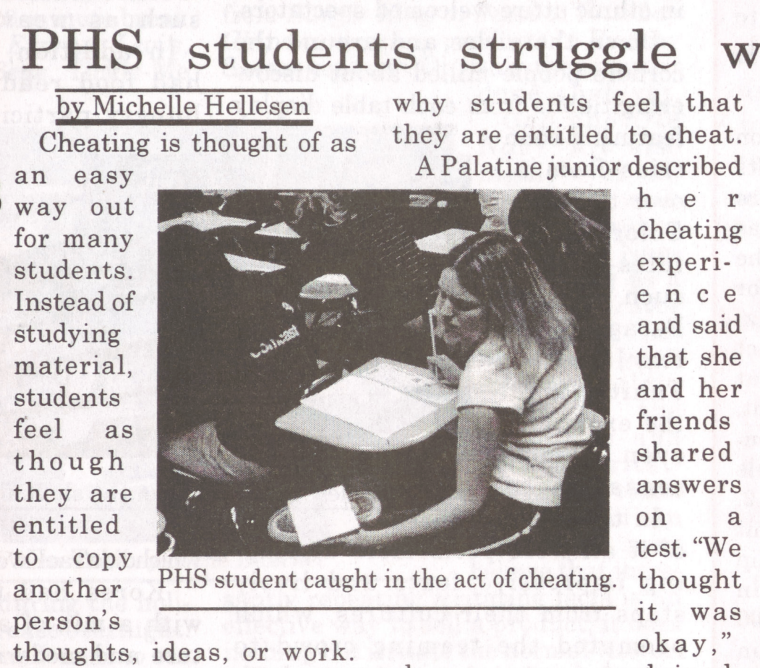
Though the risks of tanning have been studied and proven before, it seems to be a never ending issue. An article written by PHS student Carolyn Bevington in 1983 describes the so-called “Bikini Syndrome” that hit PHS.
She wrote, “While Sally was in a far off coastal city ‘catching some rays,’ Joan is stuck at home, lying under her ‘artificial sun’ trying to obtain the same golden color”. Even decades ago, students had a craze to get a tan no matter the route. Bevington then explains, “The ultraviolet rays given off by the bulb can cause burns to the retina of the user’s eye and first, second or third degree burns can result from misusing the lamp or lightbulb”. It’s clear that tanning can become harmful, especially due to the risks of addiction and injury.
Since May 7, 1980, the FDA requires all home sunlamps to come with goggles and timers. Additionally, all packages since then have begun warning the “possibility of aging, and photosensified-toxic reactions”.
Familiar with the issue, school nurse Lois Mocella mentioned that, “Girls and boys don’t realize that it might look good now to have a tan, but the short term and long term effects are very serious”.
So, whether on a vacation near the equator or relaxing in hometown Palatine, students must recognize the danger tanning becomes if relied on.