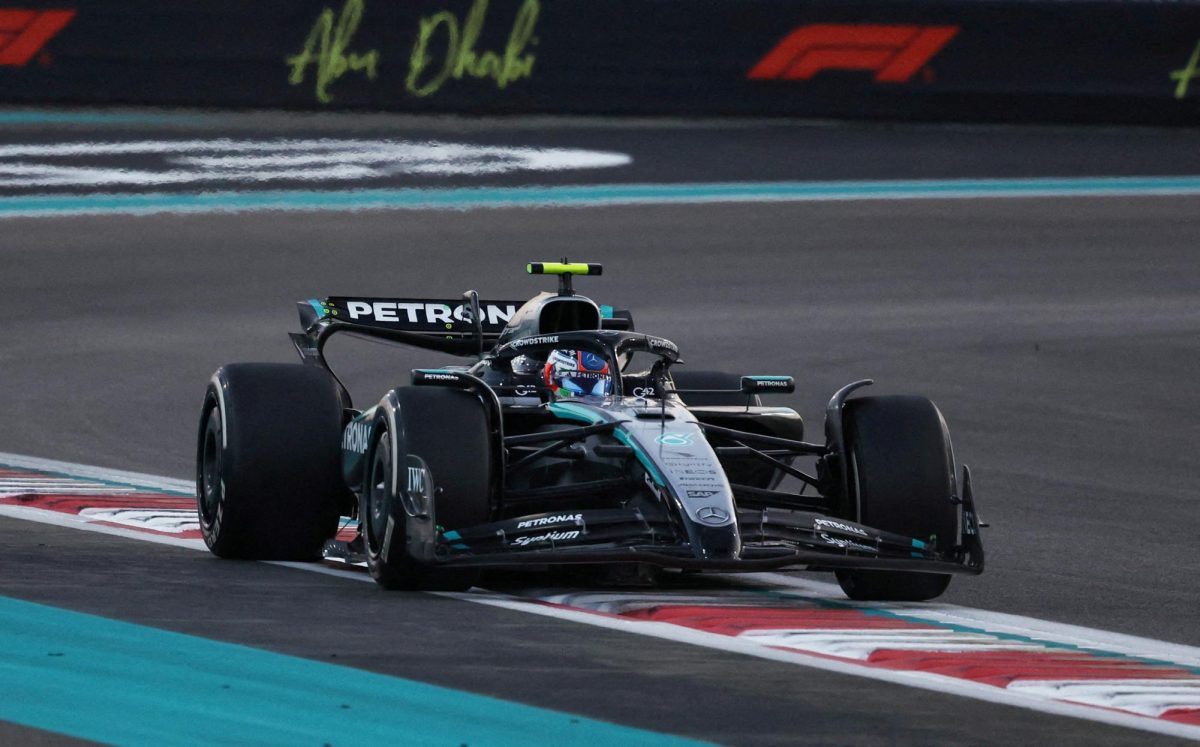
In the fast-paced world of Formula One, it can be tempting for a team to take what seems like the easy way out by constantly swapping drivers until they get the results they want. To fans, it may look like a bold way to guarantee success. In reality, it sets up unrealistic expectations, creates unnecessary stress for the incoming driver, and damages the team’s stability. Not to mention that more often than not it can be a career-ending move for any driver.
There have been many examples of this in recent years, but a major turning point came in 2019 when Pierre Gasly was replaced midseason, with then-rookie Alex Albon brought in to take his seat. The pressure on Gasly had been immense, and the swap highlighted Red Bull’s expectation of instant results.
More recently, in early 2025, Liam Lawson was promoted to the main Red Bull seat from the team’s junior outfit, a hopeful chance to prove himself, only to be replaced two races and zero points later by Yuki Tsunoda. To some, it may have seemed like the right move for a team chasing another world championship, but in reality, it created more trouble and stress for both drivers and was completely unfair.
Midseason driver swaps are problematic for a number of reasons.
First: the learning curve and setup issues. When a driver joins midseason, they inherit everything from the previous driver, including the car setup and development, the engineer and the expectations. Fitting a new driver into a complex Formula One cockpit and setup can take weeks of simulator work and tailored adjustments, time that midseason replacements rarely get. It is unrealistic to expect a rookie or a driver unfamiliar with the team to jump in and deliver. Teams that give drivers a proper introduction and preseason have the best chance of achieving results. Without that time, both the driver and team are being set up for failure.
Second: psychological pressure. A midseason swap tells the new driver one thing: this is your chance to prove yourself, all while knowing the last driver did not last a full season. That kind of pressure can weigh heavily, especially on an inexperienced driver. Already facing unfamiliar engineers, unfamiliar data and often a less competitive car, they must adapt quickly and perform to the team’s standards with minimal preparation time. The combination raises the risk of mistakes, damages confidence and often ends in yet another swap.
Third: team stability. Replacing a driver midseason signals instability to sponsors, engineers and even the other driver. It creates tension throughout the team. Engineers who have spent months refining the car to a certain driver, now must reset and readapt to the newcomer while still chasing results. This splits the team’s focus, which can cost both development and performance.
Those pushing for midseason changes argue that they can give the team a fresh start or can salvage the rest of the season. There are special cases like in 2016 when Max Verstappen replaced Daniil Kvyat at Redbull and won his debut race in the new seat, but that kind of result is extremely rare. Although that gave Red Bull a promising looking future, the assortment of teammates that Verstappen has had since shows that it doesn’t usually pay off in the way the team hopes.
Even the most talented drivers can be undone by a midseason swap. If they’re placed in an impossible situation and then dropped for failing to meet unrealistic expectations, their reputation takes a hit that’s hard to recover from. In a sport where perception matters as much as performance, opportunities can quickly dry up. One quick decision can quietly end what could have been a promising career.
In the end, swapping drivers midseason often does more harm than good. It creates impossible standards, disrupts team chemistry, and damages a driver’s confidence. Formula 1 succeeds through patience and teamwork. Teams should prioritize long-term development and support over short-term fixes in order to achieve success through stability.